

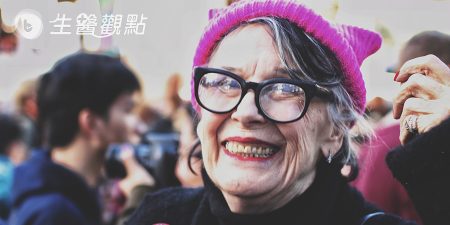
疼惜媽媽白內障 可變色人工水晶體來護眼
媽媽老了,該享福了,卻因為白內障影響生活品質,非常可惜!隨著人工水晶體技術進步,坊間有變色非球面人工水晶體,運用類似全視線可變色太陽眼鏡概念,讓媽媽白內障術後可安心外出活動,夜間也能保有良好視力。義大醫院眼科許桓誠醫師表示,黃斑部有病變的白內障畏光患者,變色人工水晶體是一個選擇。他也提醒,民眾平時就要防護紫外線,不要在黑暗中看螢幕,以確保眼睛健康。
媽媽老了,該享福了,卻因為白內障影響生活品質,非常可惜!隨著人工水晶體技術進步,坊間有變色非球面人工水晶體,運用類似全視線可變色太陽眼鏡概念,讓媽媽白內障術後可安心外出活動,夜間也能保有良好視力。義大醫院眼科許桓誠醫師表示,黃斑部有病變的白內障畏光患者,變色人工水晶體是一個選擇。他也提醒,民眾平時就要防護紫外線,不要在黑暗中看螢幕,以確保眼睛健康。
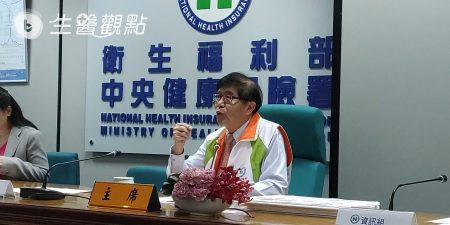
「媽,您上周去醫院看病,抽血檢驗血糖的結果如何?」「爸,您有高血壓,平常是吃哪些藥啊?」「親愛的,最近麻疹出現疫情,我們家小寶什麼時候該打預防針?」過去子女想要關心父母的健康,長輩們往往說不清楚,或者家長難免忘記孩子預防注射的時間;從即日起,「健康存摺」(My Health Bank)新增眷屬健康管理的功能,體貼較少使用3C電子產品的長輩以及沒有手機的子女,便能透過單一帳號協助關心家人的健康。
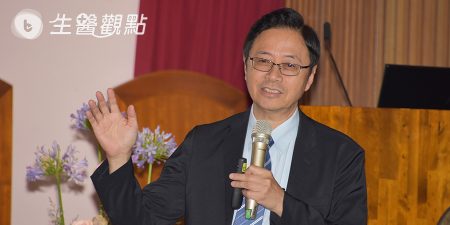
失智是逐步遺忘的過程,前行政院院長張善政受社團法人彰化縣戀戀半線失智協會邀請,擔任座談會的講者,分享照護的心路歷程。張善政特別提到,「失智症,就是親人不知不覺慢慢離開你的過程,彷彿一場漫長的告別…」此段演講引人動容,更引發現場失智症照護家屬的共鳴。

子宮內膜是覆蓋著整個子宮的組織,在女性生育年齡期間,這些組織會週期性的增生,然後剝落成月經。而「子宮內膜異位症」即是子宮內膜生長在子宮腔以外的地方,造成異位生長的疾病,若是長在卵巢,就是所謂的「巧克力囊腫」,若是長在子宮肌層則稱為「子宮肌腺症」。衛生福利部金門醫院婦產科特約醫師梁玉玲表示,對抗子宮內膜異位症的方法,絕對是預防勝於治療。

工作忙碌、老齡化社會和自我照顧趨勢,使得現代人營養攝取不均衡,透過補保健食品的補充已是常態。 近幾年電視廣告、電視購物上,蝦紅素商品當道,已成為熱夯營養素,繼去年磷蝦油之後2019年最夯的是『植物萃取蝦紅素』,將有機會成為保健食品界的黑馬。

你今天發現了嗎?臺北醫學大學雙和醫院B基地今天上午舉辦動土典禮,預計2022年完工,以利提供民眾更好的醫療服務,另外該基地開發也奠定產、官、學、研的資源整合,逐步種下生醫矽谷的幼苗。
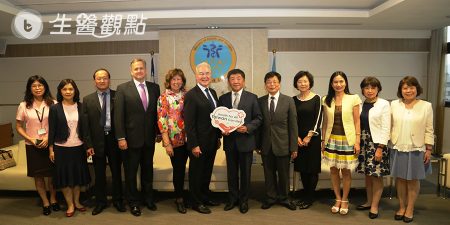
臺灣產官學研長期注重健康權的實踐,積極爭取進入WHO與每一年WHA會議參與,但有媒體訊息指出今年5月下旬WHA臺灣恐再次缺席。日前美國前衛生部長普萊斯(Tom Price)抵台參訪之際,仍不忘支持臺灣,致詞過程中,以「國家」稱呼臺灣。

骨科疾病與體重息息相關,關節炎是骨科臨床上最常見的問題,多發生於脊椎、髖、膝、踝關節等。過度負重是造成關節炎的原因之一。以膝關節為例,站立和走路時,關節負重是體重的1~2倍;上下坡或上下樓梯時,負重是體重的3~4倍;跑步時負重是體重的4倍;而蹲和跪著時,負重則是體重的8倍。從生物力學的角度來說,體重過重會給予關節額外的壓力,造成軟骨及組織的磨損,最後產生骨刺及關節病變。
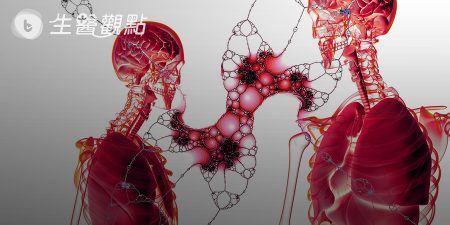
稍微爬樓梯就喘個不停,動起來容易氣喘噓噓,有些人可能認為是氣喘或自己肺活量差,但這也可能是肺動脈高壓的症狀。根據統計,全球肺動脈高壓患者超過2,500萬人,大多數人都沒聽過,而且許多患者延遲診斷,往往活不過三年。

World Health Organization (WHO) has passed Framework Convention on Tobacco Control (FCTC) in 2003 and put it into practice in 2005. FCTC is WHO’s first treaty with legal effect of international law. Regulations like a comprehensive ban on all tobacco advertising, price and excise increase, health warning required on package surface and second-hand smoke control are all inclusive in this treaty. It is soon recognized by all countries. Up till today, 181 nations join as Parties to the Convention, among them there are 168 signatories. The convention aims to control tobacco use to defend human right to health for children, pregnant women and general public. Tobacco control is now a global consensus.